

Threshold
How it was made.

I recently posted about Liminal Field, but wanted to share more about my piece and how I made it. Threshold was developed over six weeks as part of the Loop Critique Residency, an artist-run, fully online program focused on critique and exchange around new digital work, and is now on view online and at ICA Miami.
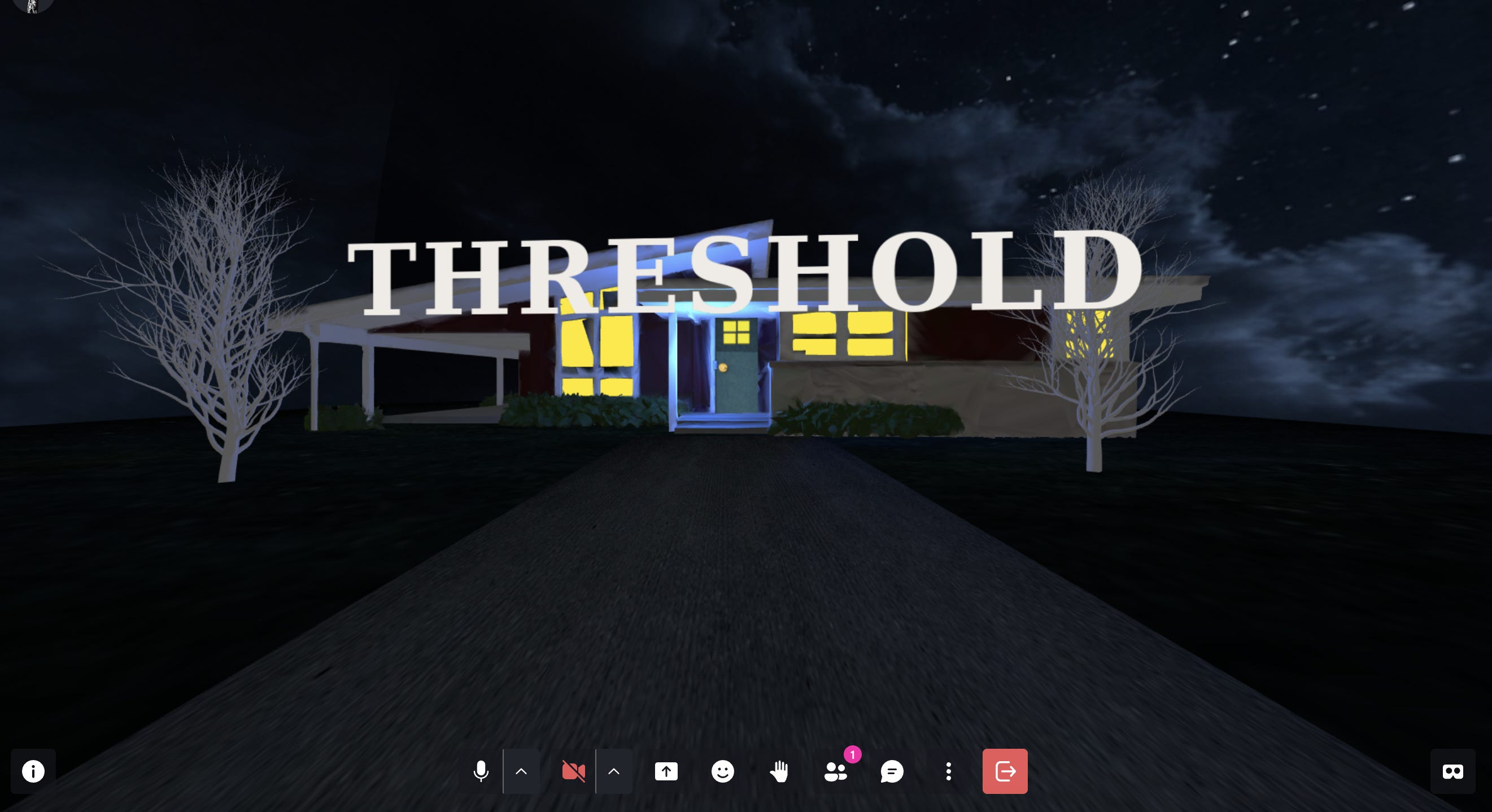
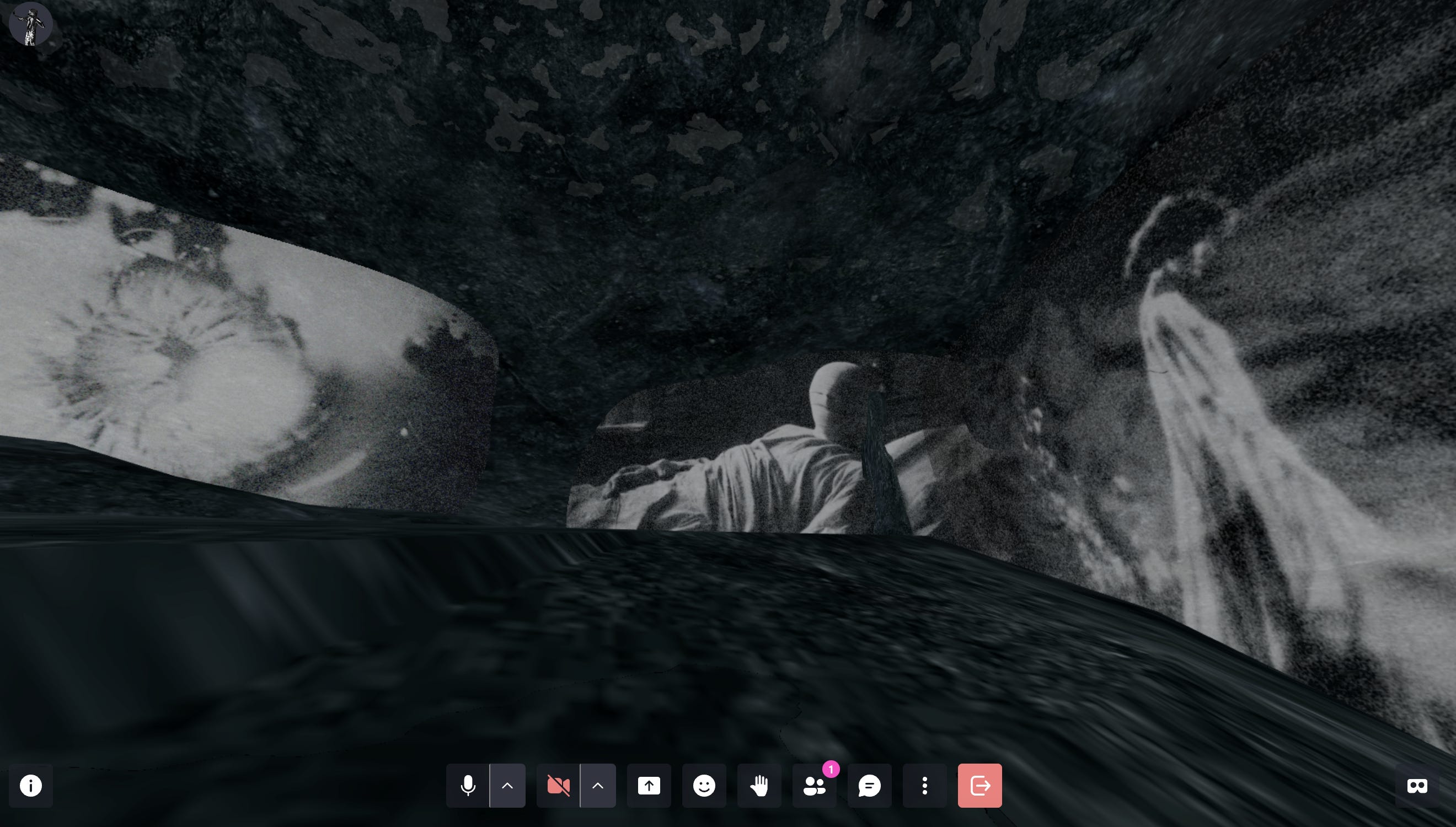
The piece can be experienced online as an interactive 360 environment—you move through it using the arrow keys or W/A/S/D on your keyboard.
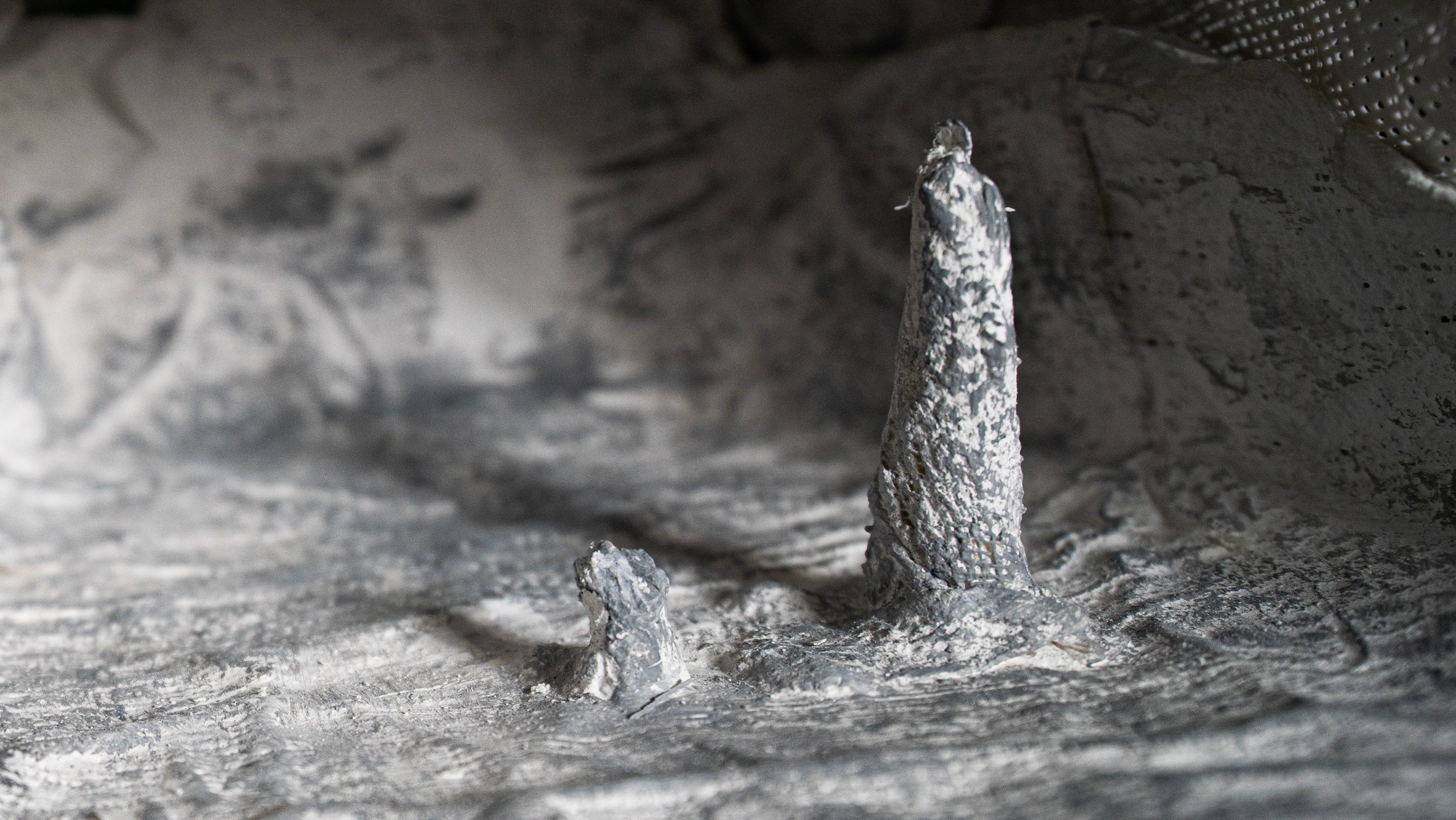
I started with the cave because I kept returning to it. It felt like a doorway into something mysterious and unresolved, and that opened the rest of the piece for me. It’s an image I’ve been drawn to since I was a child, watching 1970s kids’ television where caves were often places of mystery.
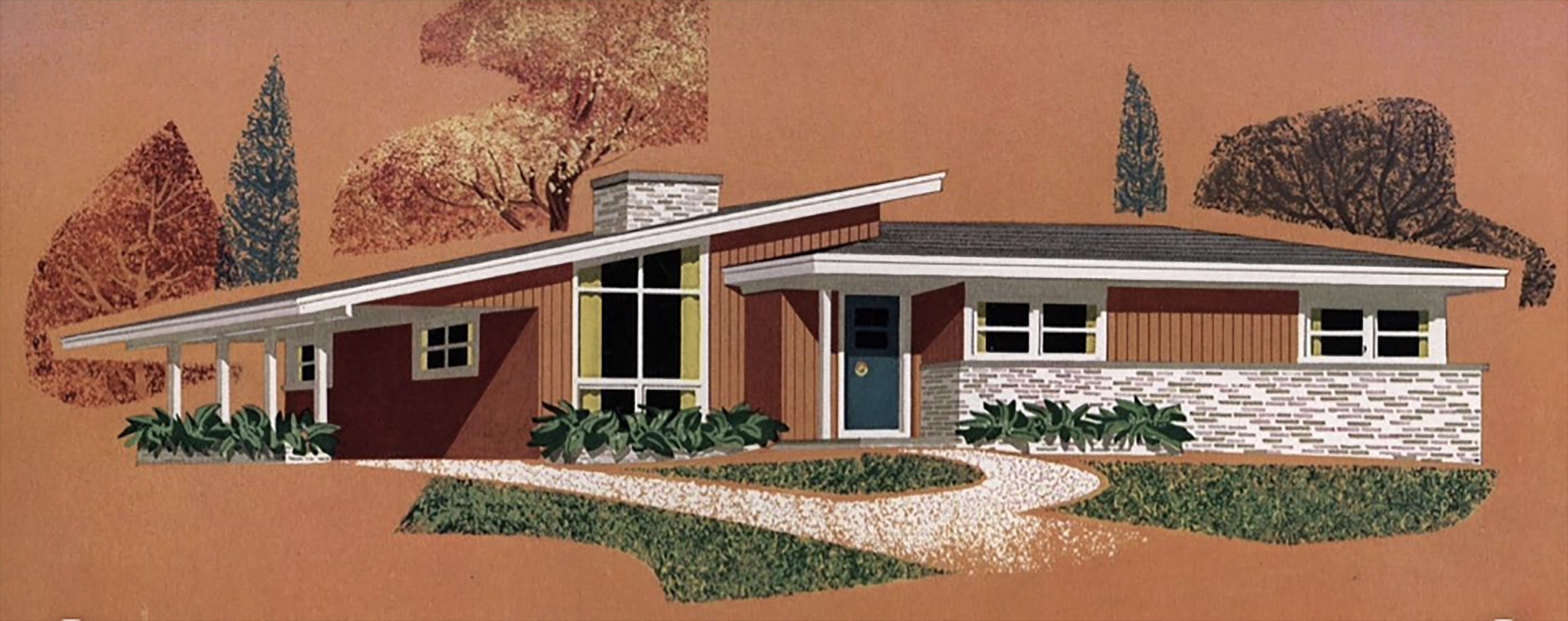
The piece begins in a 1960s house and moves through a series of unstable image-spaces—caves, figures, fragments of early film—where things break down, repeat, and return. It’s a constant, repeating loop—you end where you begin.
Drawings → 3D models
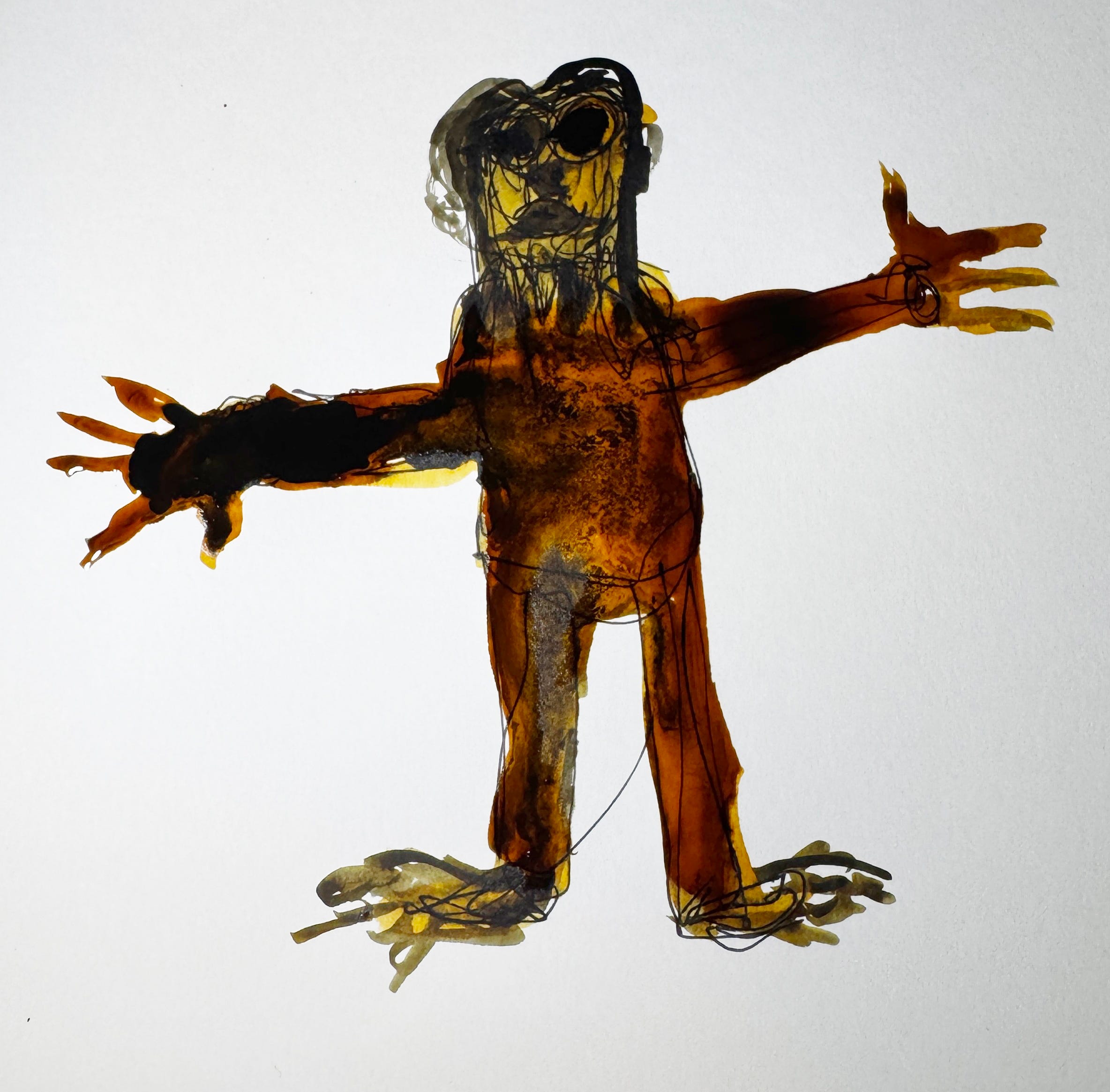
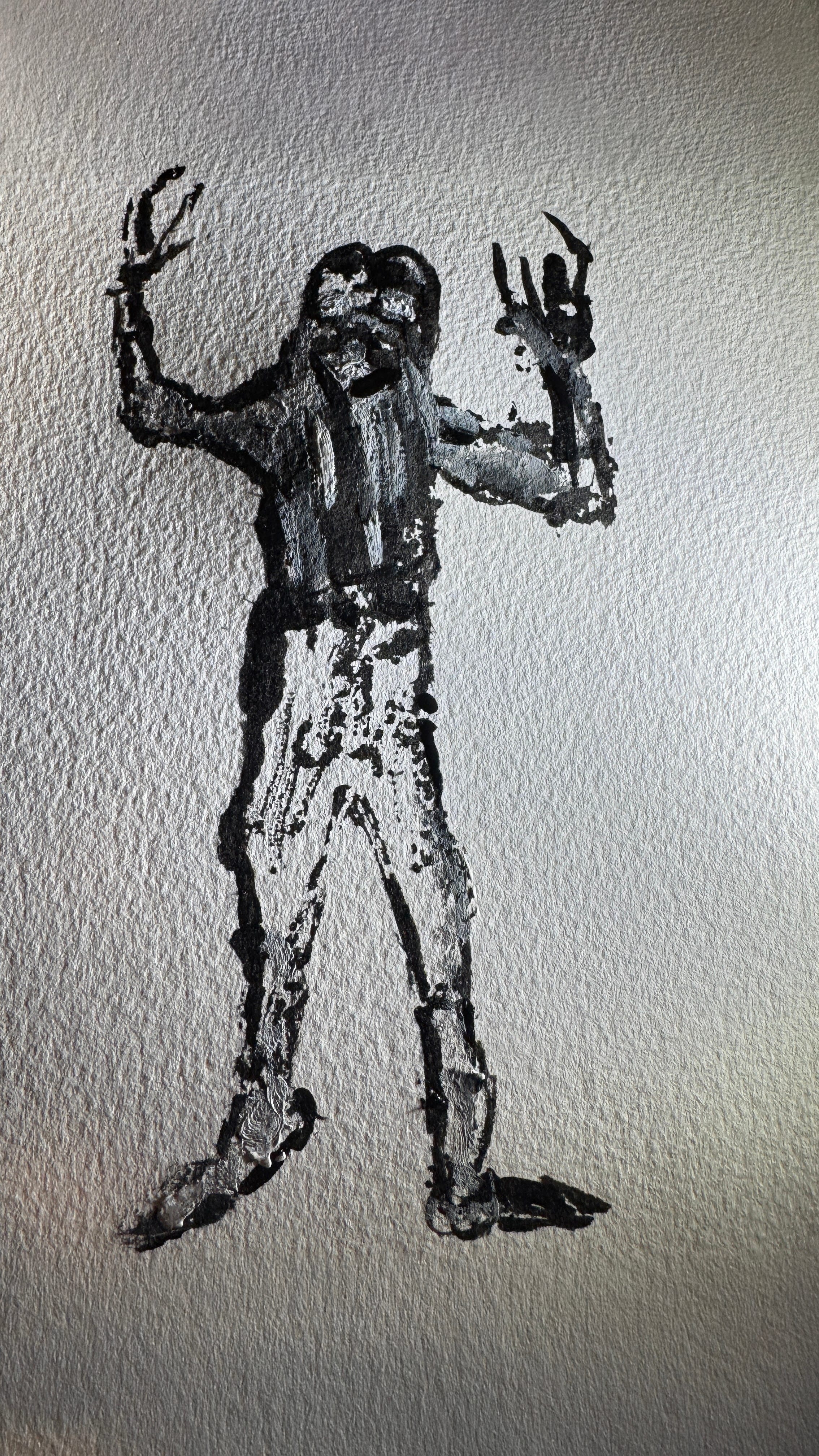
The work uses drawings—ink, paint, and monoprints—as source material.
Some of these were translated into 3D models using Meshy, a tool that generates 3D forms from images or prompts. I used my own drawings as the input, then used the program to generate and animate the 3D models.
Frame-by-frame animation (monoprints)
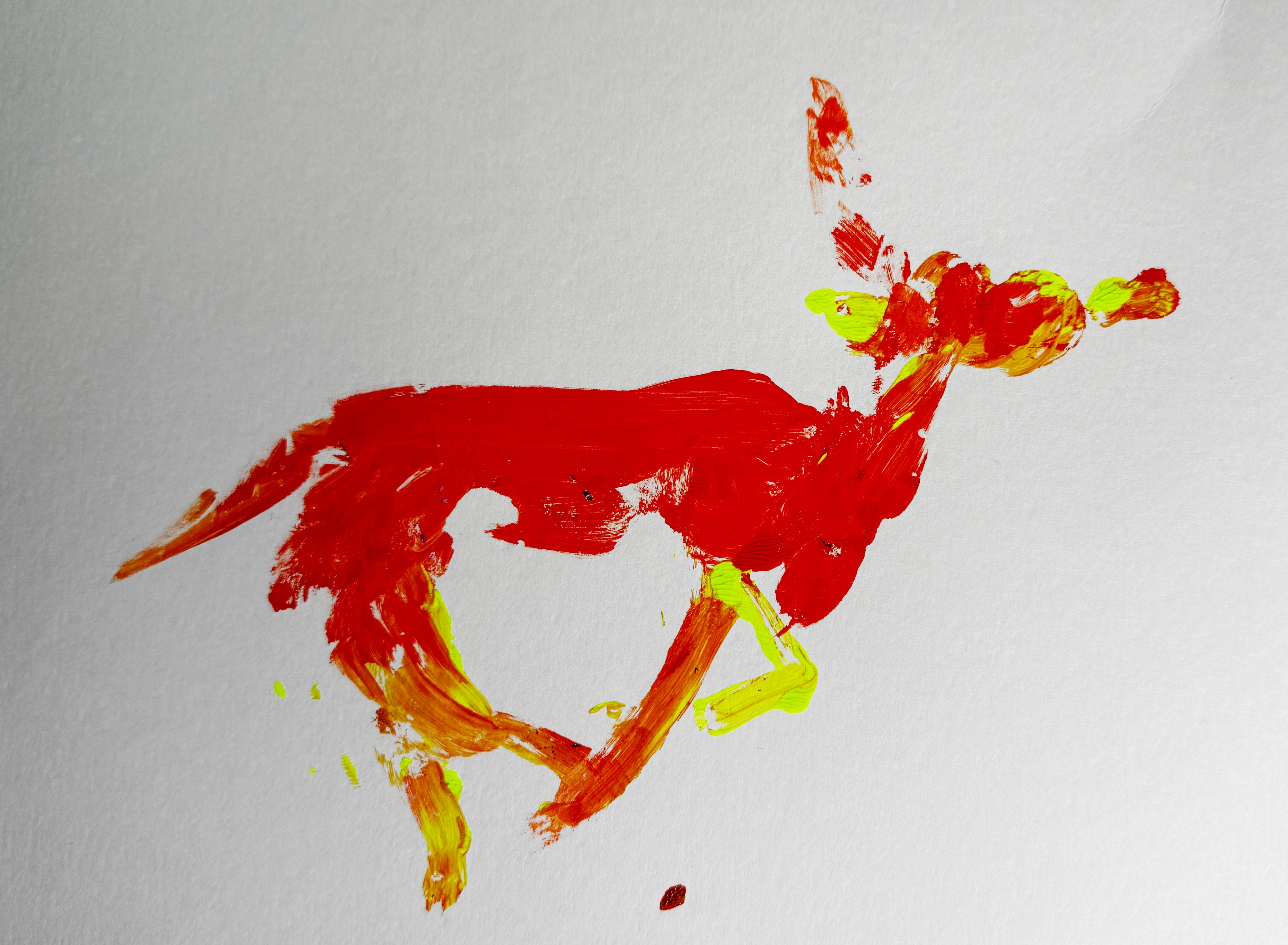
Some of the animation is built frame by frame from monoprints.
A monoprint is made by putting ink or paint on a surface and transferring it to paper—you get a single image each time. I made a series and used them one at a time to build movement.
That’s how the deer was made.
Generated animation (AI / 3D)
Other animation is generated digitally.
The bull starts as a monoprint and is turned into an animation using AI.
Video sources
The video comes from multiple sources:
– The water and cave footage was shot on a 1970s video camera.
– I filmed ink and glitter close up with a regular camera to create abstract sequences.
– Some footage was generated with AI to resemble early, artificial silent films, then brought into After Effects and degraded to look even more like an old silent film.
Process
I use AI sparingly as one of the tools to create this work. Along with AI, I’m working with video, analog video, 3D animation, and traditional animation. I think of all of these as different ways of accessing history—moving between older and newer image-making processes rather than relying on any one of them to define the work.
All of these elements—drawings, monoprints, video, and 3D models—are brought together and layered into the final piece. Each one passes through multiple forms, shifting as it moves from one process to another.
The piece lives online as a series of connected spaces. It builds like a film, but you travel through it instead of just watching it —clicking between areas and finding your own way through the work. The music, created by Them Use Them, gives the piece a more cinematic structure and helps shape how the sequences unfold.
As you move through the work, images shift and break down from one space to the next, never fully settling.
When everything is an image, we remember nothing.
Brilliant, Michael.